
Interwoven Histories: Connecting Local and National Narratives
Local history and national history are deeply interconnected, with each shaping and influencing the other in meaningful ways. The growth of African American education in Baldwin County highlights how the broader development of Black education in America was the result of a collaborative effort involving both local and national support. Grassroots initiatives, such as community-driven schools and the involvement of organizations like Macedonia Baptist Church, laid the groundwork for educational progress. These efforts were further bolstered by national organizations and philanthropic support, illustrating a shared commitment to challenging systemic inequality. The combined contributions of both African American and white allies showcase how partnerships across communities were vital in fostering educational opportunities. By examining the growth of Black education in Baldwin County, we uncover how local initiatives contributed to national progress, demonstrating that the story of American education is one of interconnected efforts and shared determination.
Examining local history offers a detailed and nuanced perspective on how broader historical events and trends played out within specific communities, enriching our understanding of the past. By focusing on the lived experiences of ordinary people, local history reveals how national changes—such as wars, economic depressions, and social reforms—impacted different regions and demographics in distinct ways. Communities serve as microcosms of larger societal shifts, illustrating how major events manifested in everyday lives and shaped local responses.
Examining African American history reveals that efforts to resist the inequalities of Jim Crow took many diverse and innovative forms, shaped by the unique circumstances of local communities. Local records and stories bring invaluable dimensions to national narratives, showcasing African Americans’ cultural practices, labor histories, and lived experiences that are often overlooked in broader accounts. By studying these details, historians can uncover how African American communities across different regions responded to and influenced national events through grassroots activism, education initiatives, or cultural resilience. This approach adds depth and context to the overarching story of African American resistance, demonstrating how local actions collectively challenged systemic inequalities and paved the way for national progress. By highlighting the interconnected efforts of individuals and communities, this perspective underscores that the struggle for equality and justice was as much a local fight as it was a national movement, rooted in the everyday lives and experiences of African Americans navigating the realities of Jim Crow.
The Growth of Education: Local Efforts Reflecting National Struggles
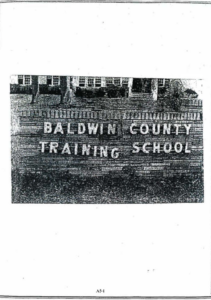
The development of education in Baldwin County offers valuable insight into the broader evolution of African American education under Jim Crow. Grassroots initiatives led by organizations like the Eastern Shore Missionary Baptist Association and local churches played a critical role in creating schools and expanding educational opportunities despite systemic underfunding and widespread discrimination. These local efforts reflect a national pattern, where African American communities, marginalized under “separate but equal” policies, relied on their own resources and determination to establish schools, train educators, and promote education as a means of empowerment. The challenges faced in Baldwin County—such as inadequate facilities and opposition from white supremacists—paralleled struggles across the South, illustrating how localized efforts collectively advanced the broader movement for educational equality in America.
Although the efforts of the Eastern Shore Missionary Baptist Association (ESMBA) were focused on the counties surrounding Mobile Bay, they reflect the broader, nationwide initiatives of African American religious organizations to develop and sustain their own education systems. In an era when segregation and systemic inequities under Jim Crow denied African Americans access to quality education, organizations like the ESMBA stepped in to bridge the gap. By leveraging their faith-based networks, they established schools, trained teachers, and secured critical resources. These local actions mirrored similar efforts across the country, highlighting the pivotal role African American religious institutions played in fostering education, resilience, and empowerment within their communities despite widespread discrimination.