
The ASTA
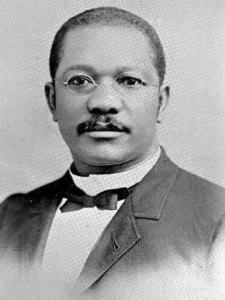
The Alabama State Teachers Association (ASTA), founded in April 1882 at Knox Academy in Selma, Alabama, was a pivotal organization dedicated to advancing African American education during segregation. Established by prominent educators such as Booker T. Washington of Tuskegee Institute and William Hooper Councill of Alabama A&M University, ASTA sought to address the systemic inequities Black students and teachers faced across Alabama and beyond.[1] The association became a driving force in advocating for educational resources, professional development for Black educators, and equitable access to learning opportunities. By championing these causes, ASTA empowered African American communities and laid the groundwork for future efforts in desegregation and civil rights advocacy.[2]
The ASTA developed strong ties with local organizations like the Eastern Shore Missionary Baptist Association (ESMBA) and educational institutions such as Baldwin County Training School (BCTS). These partnerships were vital in expanding access to vocational training and educational resources in rural communities.[3] ESMBA’s commitment to community-driven educational initiatives aligned seamlessly with ASTA’s mission, while BCTS became a beacon for Black education on Alabama’s Eastern Shore. ASTA played an essential role in supporting these institutions through advocacy for resources, teacher development, and curriculum improvement. Additionally, the association championed efforts to preserve African American heritage, fostered collaboration among educators, and worked tirelessly to advance desegregation and voting rights, leaving an indelible mark on the fight for educational and social equity in Alabama.[4]
Early Years
The early years of the Alabama State Teachers Association (ASTA) were defined by resilience and determination as the organization confronted significant challenges to African American education in the post-Reconstruction South. Inspired by the work of early advocates for Black education in the 1860s and 1870s, ASTA emerged during a time of intense adversity. In 1874, funding for African American schools was slashed, and the 1875 Alabama Constitution entrenched segregation, abolished the state board of education, and eliminated the state school fund. Adding to these systemic barriers, white mobs regularly targeted and vandalized Black schools throughout the 1870s and early 1880s, threatening to erase hard-won progress just as African American education was beginning to take root.[5]
In the face of these obstacles, ASTA implemented bold and innovative strategies to sustain and expand educational opportunities for African Americans. The organization worked tirelessly to secure private funding for constructing schools and offered critical support to educators who were dismissed by discriminatory school boards.[6] ASTA also used newspapers to raise public awareness about the value of African American education, rallying community support statewide. Recognizing the importance of preserving their heritage, the association developed African American history curricula to ensure the community’s legacy was integrated into classrooms. These efforts not only resisted systemic inequities but also solidified ASTA’s role as a key advocate for educational equity and social progress, paving the way for its lasting impact on Alabama’s educational landscape.[7]
Improving Education
The Alabama State Teachers Association (ASTA) played a vital role in advancing African American education across the rural South through targeted advocacy and community-driven initiatives. Recognizing the chronic underfunding of Black schools, ASTA actively lobbied for increased financial resources, including better salaries for African American teachers, improved school facilities, and access to essential educational materials in underserved areas. By securing private funding and rallying community support, ASTA helped establish and sustain schools in rural communities where resources were severely limited, ensuring that Black students had access to quality education despite systemic inequities.[8]
The ASTA's Relation to BCTS
Walker James Carroll worked closely with the ASTA, leveraging its teacher training programs and resources to drive improvements at BCTS. Through his collaboration with the organization, Carroll prioritized enhancing teacher qualifications, securing critical funding, and expanding the school’s curriculum. He utilized the ASTA’s support to improve educational standards and fund the construction of new buildings and facilities at BCTS.[9] This partnership allowed Carroll to implement meaningful changes that enriched the school’s offerings and reinforced its role as a vital educational institution in Baldwin County. His unwavering dedication to these goals led to his election as president of the ASTA in 1950, a position that brought national recognition to Carroll and BCTS. This elevated status enabled Carroll to leverage the ASTA’s influence to implement meaningful reforms that benefited BCTS and other African American schools throughout the region. His leadership transformed the school into a model of educational progress and opportunity, demonstrating how the partnership between BCTS and the ASTA could overcome systemic barriers and inspire change. Carroll’s visionary leadership and the ASTA’s support had a lasting, transformative impact on the quality of education for African American students, solidifying BCTS’s legacy as a beacon of hope and empowerment during a challenging era.[10]
Footnotes
- http://Parker H. Marjorie. “Some Educational Activities of the Freedmen’s Bureau.” The Journal of Negro Education 23, no. 1 1954: 9–21. https://doi.org/10.2307/2293242. Pg.9 Par-3
- http://Encyclopedia of Alabama. Alabama Humanities Alliance. June 28. https://encyclopediaofalabama.org/article/alabama-state-teachers-association/ 2024. Par-1
- http://Parker H. Marjorie. “Some Educational Activities of the Freedmen’s Bureau.” The Journal of Negro Education 23, no. 1 1954: 9–21. https://doi.org/10.2307/2293242. Pg.9 Par-4
- http://“Alabama State Teachers Association.” 2024. Encyclopedia of Alabama. Alabama Humanities Alliance. June 28. https://encyclopediaofalabama.org/article/alabama-state-teachers-association/. par-1
- http://“Alabama State Teachers Association.” 2024. Encyclopedia of Alabama. Alabama Humanities Alliance. June 28. https://encyclopediaofalabama.org/article/alabama-state-teachers-association/. par-2
- http://Parker H. Marjorie. “Some Educational Activities of the Freedmen’s Bureau.” The Journal of Negro Education 23, no. 1 1954: 9–21. https://doi.org/10.2307/2293242. Pg.10 Par-1
- http://“Alabama State Teachers Association.” 2024. Encyclopedia of Alabama. Alabama Humanities Alliance. June 28. https://encyclopediaofalabama.org/article/alabama-state-teachers-association/. par-3
- http://“Alabama State Teachers Association.” 2024. Encyclopedia of Alabama. Alabama Humanities Alliance. June 28. https://encyclopediaofalabama.org/article/alabama-state-teachers-association/. par-3
- April 06, 1950, Page 9.” – The Baldwin Times Historical Newspapers from 1700s-2000s – Newspapers. Com. https://www.newspapers.com/image/537735787/?match=1&terms=W.J.+Carroll. 2024 pg.9 Par-1
- April 06, 1950, Page 9.” – The Baldwin Times Historical Newspapers from 1700s-2000s – Newspapers. Com. https://www.newspapers.com/image/537735787/?match=1&terms=W.J.+Carroll. 2024 pg.9 Par-2